
THE COST OF A PHOTOGRAPH: Why Low-Impact Tourism Matters More Than Ever
Wildlife photography has the power to inspire, educate, and shift public perception. A single image can spark emotional connection, heighten awareness, and contribute to the protection of vulnerable species. Yet behind every photograph, every shutter click, there is an impact. Some are small and fleeting; others have long-term consequences for ecosystems already under pressure.
As wildlife photographers and travellers, recognising this impact is no longer optional. It is part of our responsibility to the landscapes, communities, and animals we admire. And in a world where conservation challenges are intensifying, low-impact tourism has become one of the most important tools we have.

Understanding the Hidden “Cost” of a Wildlife Photograph
The cost of a photograph is rarely financial. It is ecological.
Every wildlife image reflects a sequence of decisions made in the field: where to drive, how close to get, how long to wait, and how many vehicles are present. Even the most careful approach leaves a footprint.
Key contributors to photographic impact include:
Disturbance to natural behaviour when vehicles crowd animals or block pathways.
Off-road driving damage, particularly in sensitive areas where soil, grass, and root systems are easily degraded.
Stress responses in predators and prey, especially around hunts, kills, and breeding activities.
Carbon emissions from travel, logistics, and vehicle movement.
Noise pollution, which affects predators that rely on silence and prey species that depend on acute hearing.
None of this means we should stop photographing wildlife. But it does mean we must recognise that a photograph is not simply captured… it is borrowed from the environment.
How High-Volume Tourism Can Increase Impact
Not all safari models are equal in their environmental footprint.
High-volume or mass tourism typically involves:
More vehicles in sightings
Larger camps or lodges
Frequent off-roading in search of “the perfect shot”
Greater pressure on sensitive habitats
Increased noise and movement around wildlife
The cumulative effect is significant. Animals may alter their movement patterns, abandon cubs temporarily under stress, or become habituated to unnatural levels of human presence.
For photographers, this often translates into more chaotic sightings, less meaningful time with subjects, and images that feel rushed rather than intentional.

Why Low-Impact Tourism Matters More Than Ever
Low-impact tourism, small groups, minimal vehicles, ethical guiding, and a conservation-first approach, offers an alternative that prioritises wildlife welfare above photographic opportunity.
Benefits include:
1. Reduced Disturbance to Wildlife
Staying back, limiting vehicle numbers, and avoiding high-pressure approaches helps animals retain natural behaviour. This leads to more authentic photographic opportunities and a healthier ecosystem.
2. Protection of Habitat and Vegetation
Respecting no-go areas, staying on designated tracks, and avoiding unnecessary driving reduces erosion and habitat degradation.
3. Better Quality Sightings for Guests
Quiet, patient viewing allows photographers to observe full behavioural sequences rather than brief, interrupted moments.
4. Stronger Support for Conservation Models
Countries like Botswana use high-value, low-volume tourism to safeguard wildlife corridors, maintain anti-poaching funding, and sustain community livelihoods.
5. A More Ethical Story Behind Every Image
When a photograph is taken responsibly, it carries integrity. It becomes part of a conservation narrative rather than a product of disturbance.
Photography as Stewardship: A Modern Responsibility
Wildlife photography has an increasingly important role in conservation. Images shape awareness, funding, and global visibility for endangered species. But this influence comes with a responsibility to ensure that the creation of the image does not contradict the values it aims to promote.
Ethical wildlife photography includes:
Keeping distance and allowing animals agency
Avoiding pressure during vulnerable moments
Never blocking or influencing animal movement
Respecting guide decisions on proximity and timing
Prioritising long-term wellbeing over short-term photographic gain
A powerful photograph should reflect not only the moment it captures, but the respect with which it was taken.
How My Approach Supports Low-Impact Photography
My safaris and fine-art practice are built around the principles of conservation, restraint, and respect for wildlife. This includes:
Small-group, low-volume safari experiences
Ethical viewing distances and sighting etiquette
Zero pressure on wildlife for photographic outcomes
Strong emphasis on patience, natural behaviour, and ecological understanding
Eco-conscious print production and limited editions
Choosing partners and camps that follow high-standard conservation practices
These considerations ensure that each photograph (mine or a guest’s) is taken with awareness and intention.
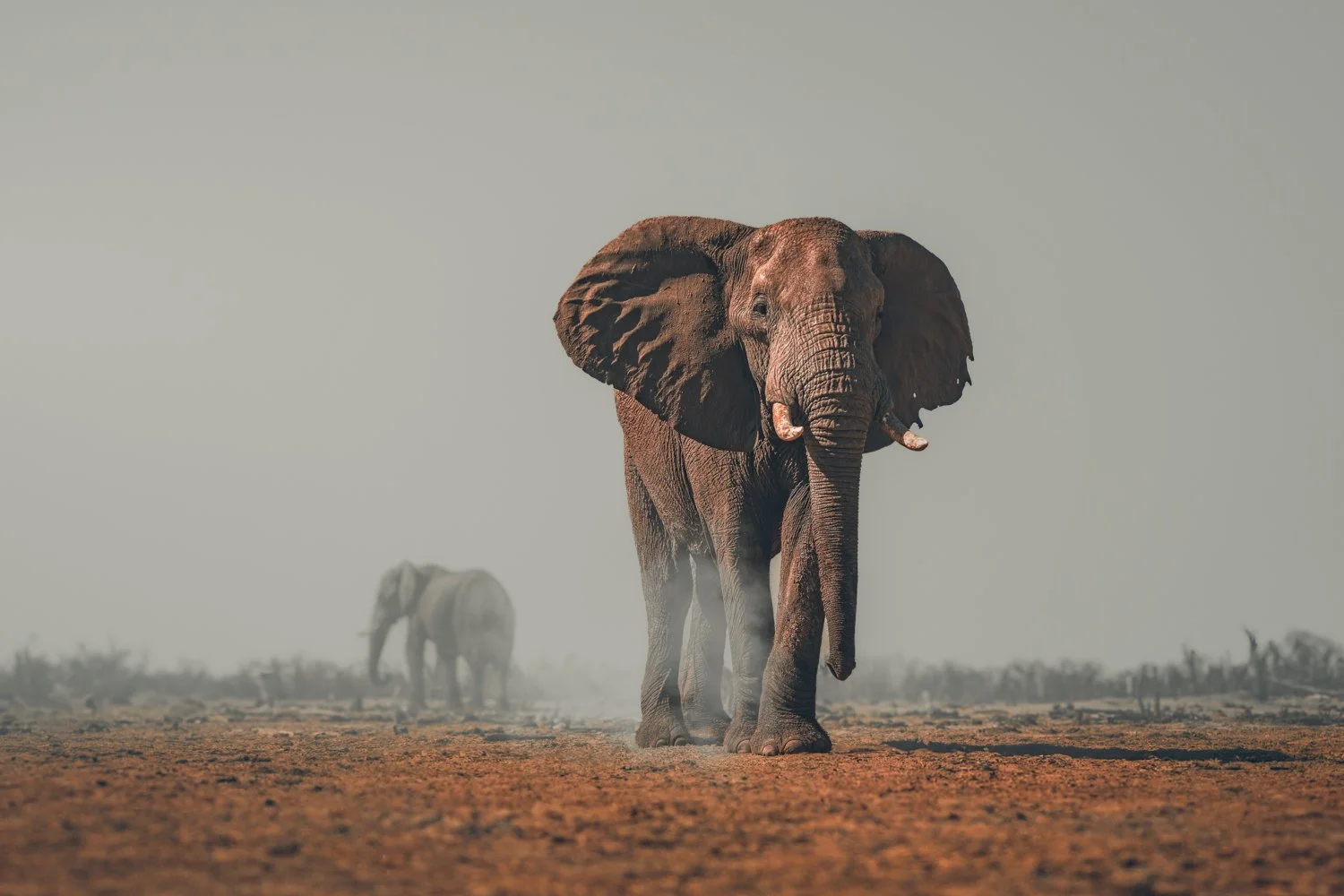
A Future Defined by Responsible Travel
Low-impact tourism is no longer a trend; it is essential. As pressures on ecosystems intensify, the way we move through wild spaces will determine what remains for future generations to witness.
Ultimately, the real cost of a photograph is not measured in shutter clicks or megapixels. It is measured in the integrity of the moment, the health of the landscape, and the legacy left behind.
When we travel lightly, thoughtfully, and with purpose, every image becomes more than a memory. It becomes a contribution to the protection of Africa’s wild places.
